If you’ve been told you need a root canal, it’s normal to feel unsure. At The Campbell Clinic in Nottingham, we carry out this treatment with care and precision, helping you feel at ease while we treat the source of your pain.
Root canal treatment doesn’t have to be daunting. For many patients, it’s the first step toward lasting relief.
Root canal treatment, also called endodontic therapy, removes infected or inflamed tissue from inside your tooth. This is often needed after deep decay, trauma, or cracks allow bacteria to reach the tooth’s nerve (the pulp).
Once cleaned and sealed, the tooth is protected and can continue to function for years without the need for extraction.
You may need treatment if you have:

1. Diagnosis and planning
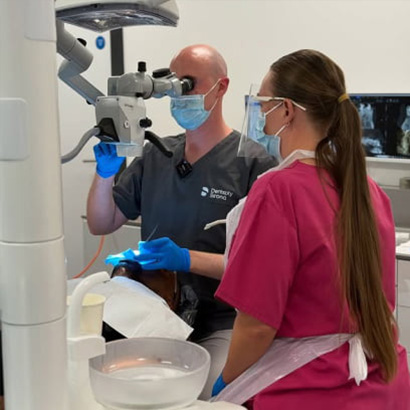
Our endodontist will assess the tooth using X-rays or a 3D scan to understand the extent of the infection and the location of the infected pulp.
2. Numbing the Area
You’ll receive a local anaesthetic to numb the area around the tooth, minimising discomfort during the procedure.
3. Cleaning the Root Canals
We gently access the pulp, remove infected tissue, and clean and shape the canals.

4. Sealing the Tooth
The space is filled with a material called gutta-percha to prevent future infection.
5. Restoring the Tooth
Depending on the extent of the damage, the tooth may need to be restored with a filling or a crown to protect it from further damage.
6. Aftercare
After the procedure, our endodontist will provide instructions for caring for the tooth and may schedule a follow-up appointment to monitor the healing process.

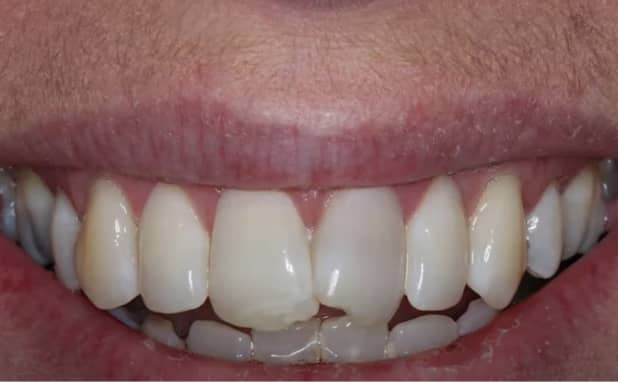
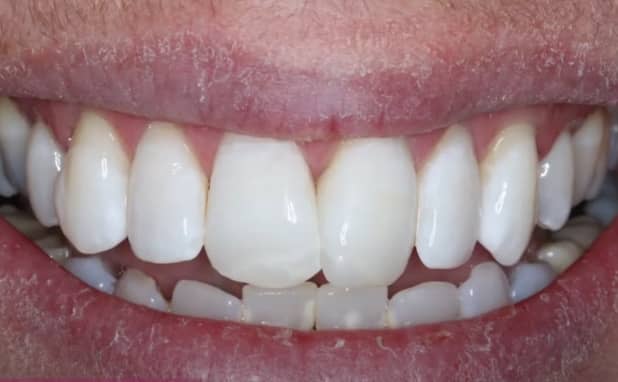
See how our treatments create beautiful, confident smiles.
Explore smile gallery
No. We use modern techniques and anaesthesia to ensure the procedure is pain-free. Most patients are surprised by how straightforward it is. However, it is common for patients to experience some discomfort or sensitivity in the affected tooth for a few days after the procedure. Your endodontist may recommend over-the-counter pain relievers, such as ibuprofen, to help manage any pain or discomfort during this time.
Typically, one or two appointments, depending on the tooth and infection. The duration of a root canal procedure can vary depending on the complexity of the case and the specific tooth involved. On average, a root canal procedure can take between 60 and 90 minutes to complete, but it can take longer for teeth with multiple canals or for cases where there is a severe infection.
Often, yes — especially for molars. We’ll advise you based on the condition of the tooth.
The main alternative is extraction, but where possible, we aim to preserve your natural tooth.
Yes. Many patients feel the same. Let us know, and we’ll adapt your care to help you feel at ease.
After a root canal procedure, it is generally recommended that you wait until the numbness in your mouth wears off before eating. This can take a few hours, depending on the type of anaesthesia used. Once the numbness wears off, you can usually eat and drink as you normally would, but it’s important to avoid chewing on the side of the mouth where the root canal was performed until the tooth is fully restored. You should also avoid hard or crunchy foods that could potentially damage the temporary filling or crown.

Tooth pain rarely goes away on its own, and treatment from an experienced endodontist in Nottingham could save your natural tooth. We’ll explain everything clearly and only recommend treatment when it’s genuinely needed.
Book Your AppointmentPrivate dentist in Edwalton near West Bridgford, Nottingham. Dental implants, braces, cosmetic and general care. Book your appointment today.